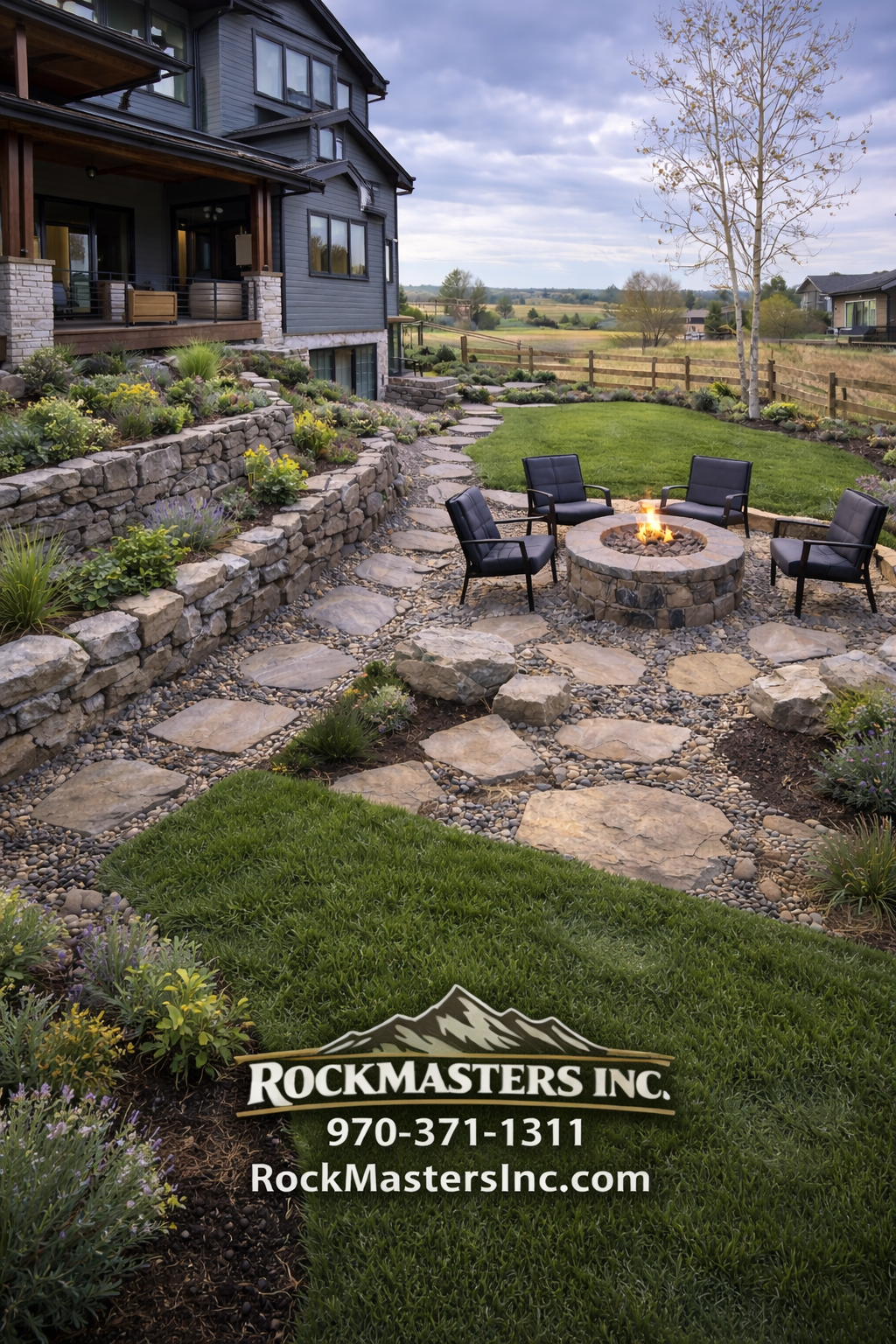
Achieving Balance: The Role of Softscaping in Complementing Hardscape Elements Apr 12, 2026
One of the first steps in achieving this balance is understanding the definition and components of softscaping. Softscaping refers to the living elements of a landscape. This includes flowers, trees, shrubs, grass, and any other planting. These elements work in harmony to add color, texture, and vibrancy to the solid, often monochromatic features of hardscaping. Introducing elements like native plants or seasonal blooms can enhance the aesthetic appeal and create a seamless integration between nature and architecture.
When planning your landscaping project, consider the importance of contrast. Hardscape structures such as stone pathways or retaining walls are inherently rigid and geometric. By incorporating softscaping features like curving flower beds or lush ground covers, you can soften these lines and bring a sense of fluidity and movement to your garden. This contrast not only draws attention but also enhances the visual interest, making your outdoor space more inviting.
Beyond aesthetics, softscaping also plays a critical role in the sustainability and environmental health of your landscape. Plants contribute to the ecosystem by attracting beneficial insects and wildlife, promoting biodiversity, and supporting local habitats. Strategically placed greenery can help manage water runoff, prevent soil erosion, and improve drainage around hardscape features such as patios. At Rock Masters Inc., we recommend integrating climate-appropriate flora to reduce water usage and ensure the longevity of your landscape.
Practical considerations should not be overlooked when combining hardscaping and softscaping. Maintenance is a key factor to think about when designing your space. Hardscape elements are generally low maintenance, needing occasional cleaning and checks for structural integrity. Conversely, softscaping requires regular upkeep such as watering, pruning, and fertilizing. Selecting plants and trees that suit your level of commitment and climate can aid in maintaining a balance between ease of care and aesthetic appeal.
Finally, think about how you use your outdoor space. Softscaping can be utilized to create zones or “rooms” within your landscape, separating dining areas from relaxation spots or children's play areas. For instance, planting a row of tall shrubs can act as a natural screen, providing privacy and dividing sections without the need for a fence.
In conclusion, achieving a harmonious balance between hardscaping and softscaping requires thoughtful planning and execution. The integration of these elements not only beautifies your property but also enhances functionality, sustainability, and personal enjoyment. Contact Rock Masters Inc. to explore how we can help you craft a landscape that speaks to your vision, securing a space that is both practical and pleasing to the eye. Whether your project is large or small, our expertise in combining hardscaping and softscaping ensures your environment will be both a seamless addition to your home and a personal oasis.
/filters:no_upscale()/filters:format(webp)/media/968564fa-7c40-4ac8-96c2-9c1f9b922b42.png)
/filters:no_upscale()/filters:format(webp)/media/7dce1558-1249-4862-9cde-f8ec66b299b5.jpeg)